


Why You Might Not Recognise the Charge Straight Away
Seeing an unknown line item on your bank statement is unsettling, especially when you cannot immediately link it to a purchase. FapHouse, operated by Tecom Ltd., processes payments through a third-party billing provider rather than billing directly under the FapHouse name. That means the descriptor your bank shows will likely be the processor's trading name, not "FapHouse" in plain text. This is standard across adult platforms and is designed to protect your privacy, a feature the platform calls discreet billing.

Before assuming fraud, open your recent account activity and look for the date the charge posted. Cross-reference it with any evening you may have browsed the site, purchased tokens, or upgraded your membership. The amount is often the clearest clue: a round figure such as a token bundle cost points to a one-time purchase, while a recurring amount on the same date each month points to an active subscription.
The Two Types of FapHouse Charges Explained
Understanding which charge type you are looking at changes how you should respond. FapHouse has two distinct billing models running side by side.
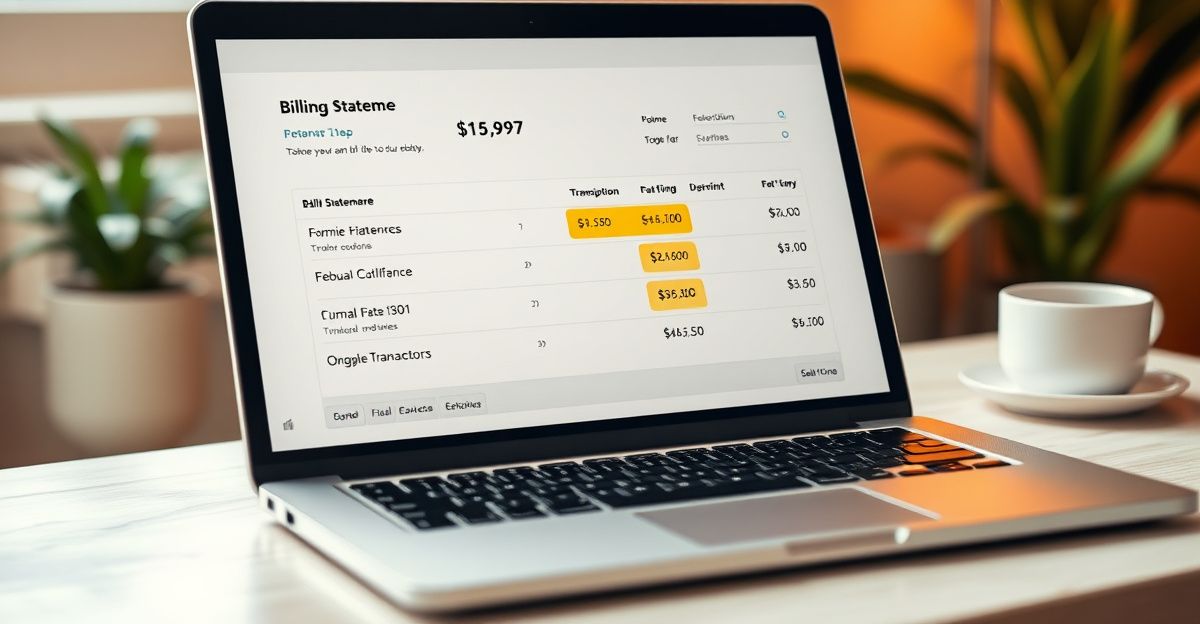
The first is the membership subscription. When you join and select a plan, you agree to a recurring charge at the interval you chose, typically monthly. That charge will continue automatically until you cancel through your account settings. Many users forget they signed up, particularly if they joined during a promotional period. Right now, the platform runs a 50% off membership promotion, so your first charge may differ from subsequent ones.
The second type is a token purchase. Tokens are a one-time, non-recurring transaction used for live sex chat interactions and tipping creators. According to the FapHouse FAQ, each token page is billed as a single discreet purchase with no recurring obligations attached. If you see two separate charges, one is almost certainly the subscription and the other a token top-up you made during a session.
Step-by-Step: Identifying the Charge Before Calling Your Bank
Acting too quickly and filing a chargeback without checking your own account first can complicate things unnecessarily. Work through these steps first.
Log into your FapHouse account and navigate to your billing or purchase history section. Every transaction you have authorised will appear there with a date and amount. Match those figures to the line on your statement. If the amounts align, the charge is legitimate even if the descriptor looked unfamiliar.
Next, check whether you have an active subscription by visiting account settings. If a subscription is running that you no longer want, cancel it there and then. Cancellation stops future charges immediately, though it will not reverse a charge already processed. For that, you will need to follow the FapHouse refund process or escalate to your card provider.
If you genuinely do not recognise the charge after checking your account history, consider whether someone else with access to your device or card details may have signed up. Because the platform requires identity verification for creators and age verification for all members, an unauthorised signup using stolen card details is less common than on unregulated sites, but not impossible.
When to Dispute and How to Do It Safely
A legitimate dispute starts with the merchant, not immediately with your bank. Contact FapHouse support through the Contact Us form and explain the charge. Keep a record of your message and any response. Most billing processors, including those used by adult platforms, have their own support lines. The billing support contact associated with FapHouse processing is reachable by phone and email, so do not skip that step.
If the merchant cannot resolve it, your card provider is the next port of call. UK consumer rules under the Consumer Credit Act give you the right to dispute unauthorised transactions. Most banks require you to raise a dispute within 60 days of the statement date, so time matters. Provide your bank with the billing descriptor exactly as it appears, the date, the amount, and any communication you have already had with the merchant.
There is a concrete lesson here from personal experience. When I was first setting up payment details on a creator account, I double-checked every figure before confirming and took screenshots of the confirmation screens. That habit saved real anxiety later when a charge appeared a week after I expected it, because I had a timestamp and reference number ready. My advice is the same whether you are a viewer or a creator: screenshot every confirmation page. That one habit removes most of the uncertainty.
Free Trials and Introductory Offers
A common source of surprise charges is a free trial period that transitions into a paid subscription without a second prompt. If you signed up during a trial or a discounted offer, check your original signup confirmation email for the exact date the trial ended and what the post-trial rate was. The 50% off promotion currently running means your first full payment may still be lower than the standard rate, but it is a recurring charge nonetheless.
Setting a calendar reminder for one day before any trial ends is a simple self-care habit that keeps your finances predictable. You can always rejoin later if you decide the platform suits you, but controlling when money leaves your account builds the kind of financial confidence that supports your broader journey with the platform.
Comments
No comments yet.
Leave a comment
Your email will not be shown. Comments are reviewed before they appear.